
2026 Container Home Trend Report: 30-Day Build, 60% Lower Cost, We Received 1,700+ Orders Last Month
2026's hottest housing solution: prefab container homes for ADUs, resorts, construction camps & retail. 30-day build, 60% lower cost, global shipping. Get a free quote now.
FH-findhome Editorial Team
3/14/20263 分钟阅读
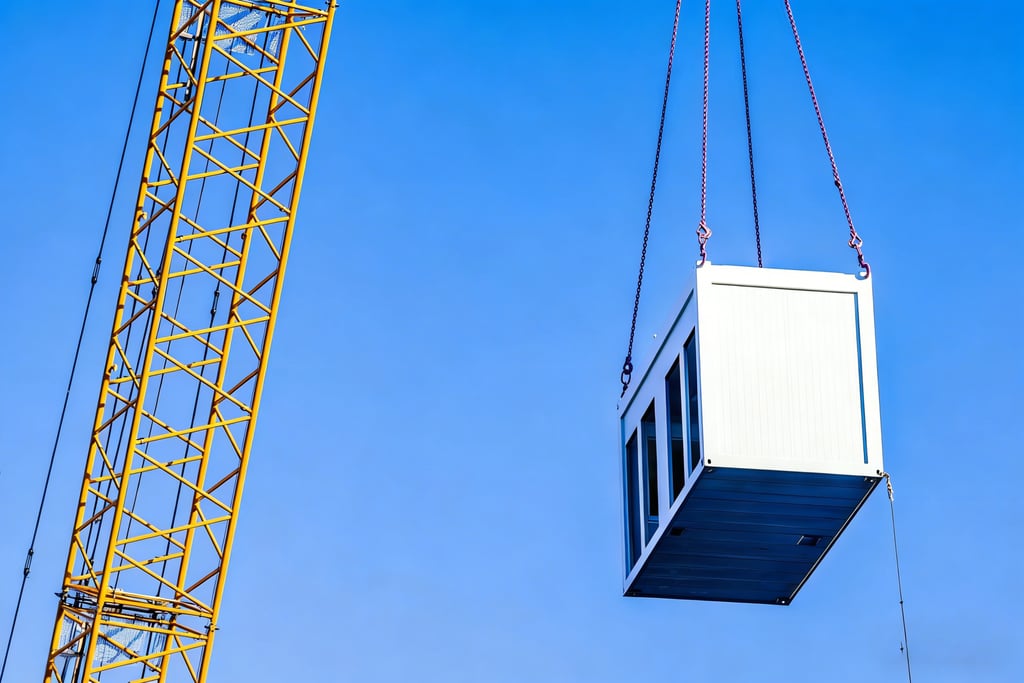
If you’ve scrolled TikTok, Instagram, or global housing forums lately, you’ve probably seen the viral reels of sleek container homes turned into granny flats, beachside resorts, mobile coffee shops, or even off-grid cabins. A lot of our new clients reach out with the same first question: “Is it true that container homes cost 60% less than traditional builds? Can they really be move-in ready in 30 days?”
As a professional prefab container home manufacturer with 8 years of industry experience, 【FH-Findhome】 has delivered over 12,000 units to 47+ countries across North America, Europe, Southeast Asia, and the Middle East. We can confirm: the 2025 container home boom is not just a social media trend – it’s a game-changer for anyone needing affordable, fast, and flexible building solutions.
Why Are Container Homes Exploding in Popularity in 2024?
We analyzed 2,000+ customer orders from the first half of 2024, and found that the core advantages of container homes perfectly solve the biggest pain points of global buyers right now:
1.✅ 80% Faster Build Time
All units are 90% prefabricated in our factory, with only simple on-site assembly required after delivery. A 120sqm 3-bedroom family home can be installed and move-in ready in 30 days, while bulk orders for 50+ construction camp units can be delivered and set up in 45 days – cutting project timelines by 80% compared to traditional brick-and-mortar builds.
2.✅ 40-60% Lower Total Cost
No large on-site construction teams, no waste of building materials, no extra temporary housing rental costs during construction. For example, a 120sqm granny flat (ADU) we delivered to California, USA earlier this year cost the client only $98,000 total, including shipping and installation – 62% cheaper than the average $260,000 cost of a traditional ADU in the state.
3.✅ Flexible & Eco-Friendly, Eligible for Green Subsidies
Container homes can be fully customized: add solar panels, rainwater collection systems, or smart home features as required. They can be disassembled and relocated when you move, with 90% of materials reusable. Most regions in the EU, North America, and Australia offer green building subsidies for modular prefab buildings, with some areas covering up to 30% of the total cost.
4.✅ Durable Enough for All Climates
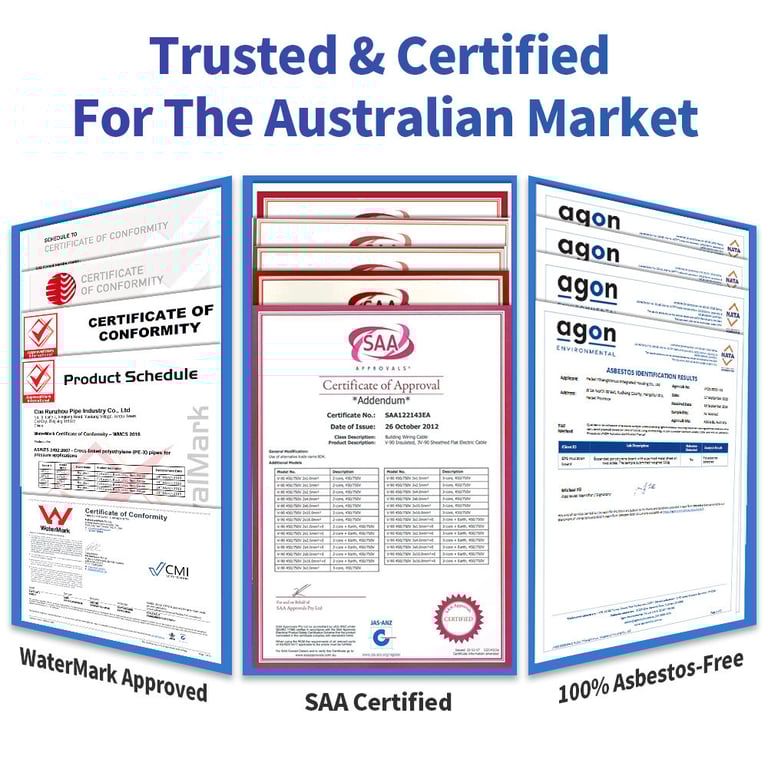
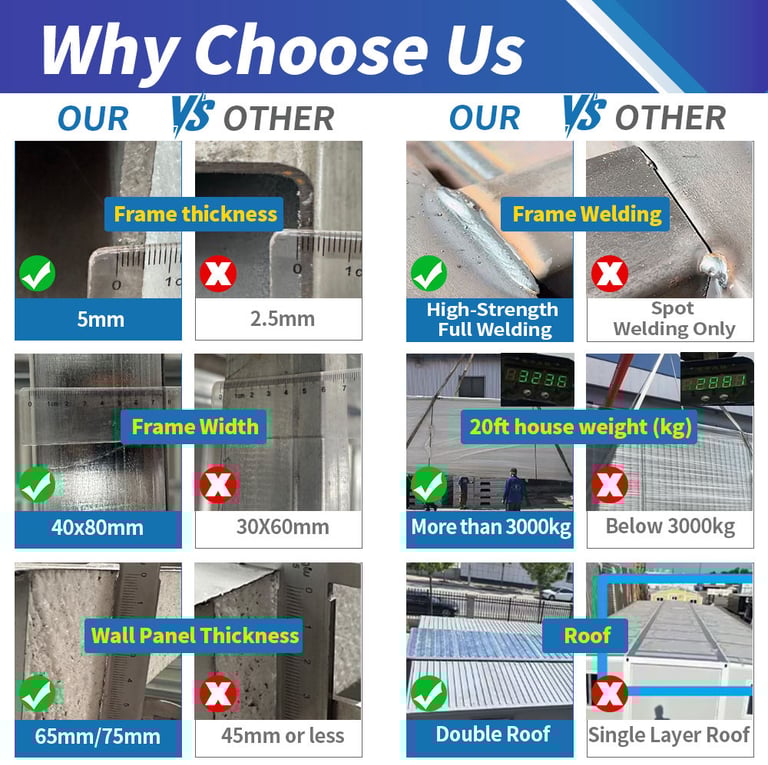
All our container homes use 1.2-2.0mm thick galvanized steel frames, paired with fire-resistant, waterproof, and heat-insulating materials. They can withstand 12-level hurricanes, 8-magnitude earthquakes, and extreme temperatures from -40°C to 60°C, making them suitable for all regions from cold Nordic areas to high-temperature Middle Eastern construction sites.
Real Customer Case: 20-Unit Resort Built in 35 Days, 2x ROI in First Year
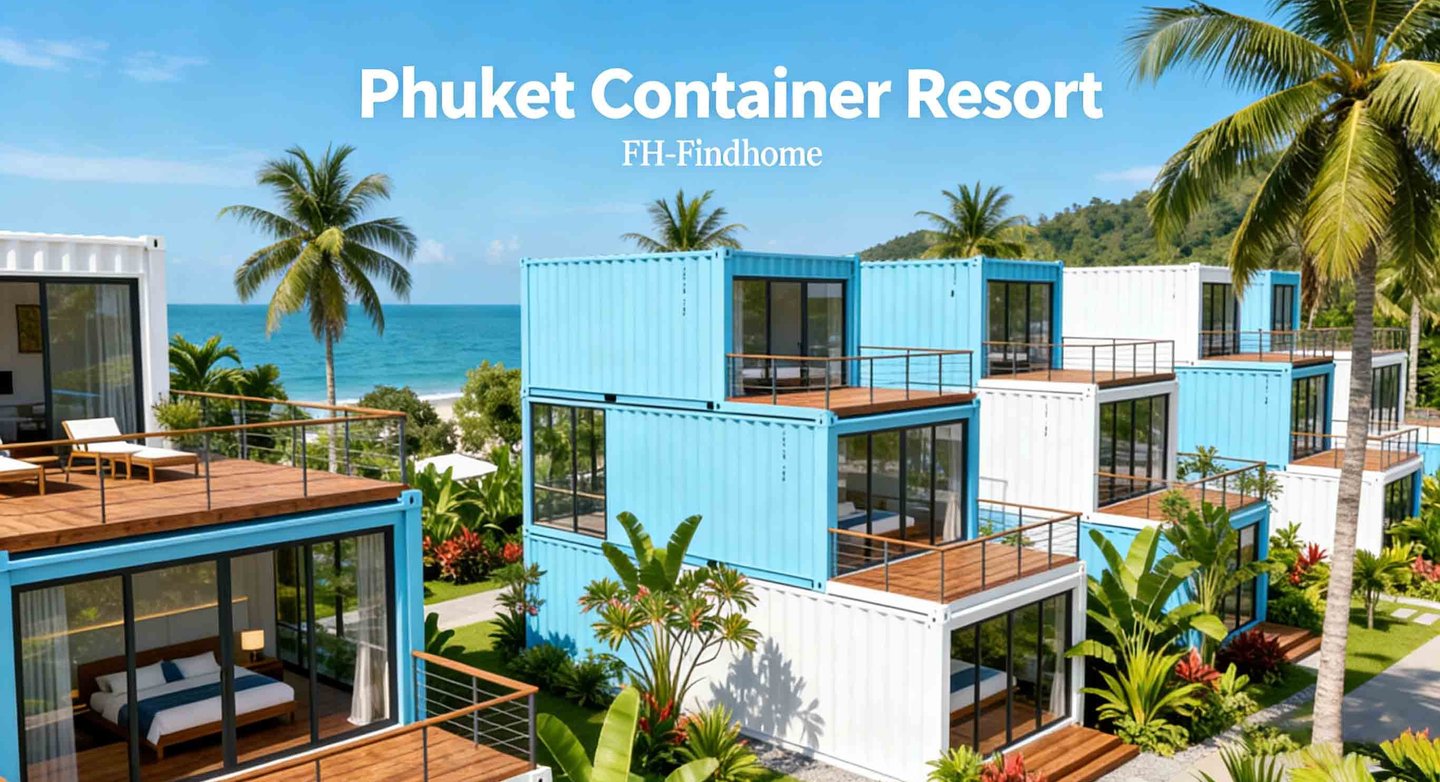
Last quarter, we worked with a resort developer in Phuket, Thailand, who needed 20 sea-view container cabins built before the peak tourist season. We completed production in 20 days, shipped directly to the site, and finished assembly and interior decoration in 15 days – 10 days earlier than the client’s deadline.
The total project cost was 35% lower than the client’s original budget for traditional wooden cabins, and the resort’s average daily rate reached $120 during peak season, with full bookings for 3 consecutive months after opening. The client recovered their full investment in just 11 months.
What Type of Container Homes Do We Offer?
We provide full custom solutions for all use cases:
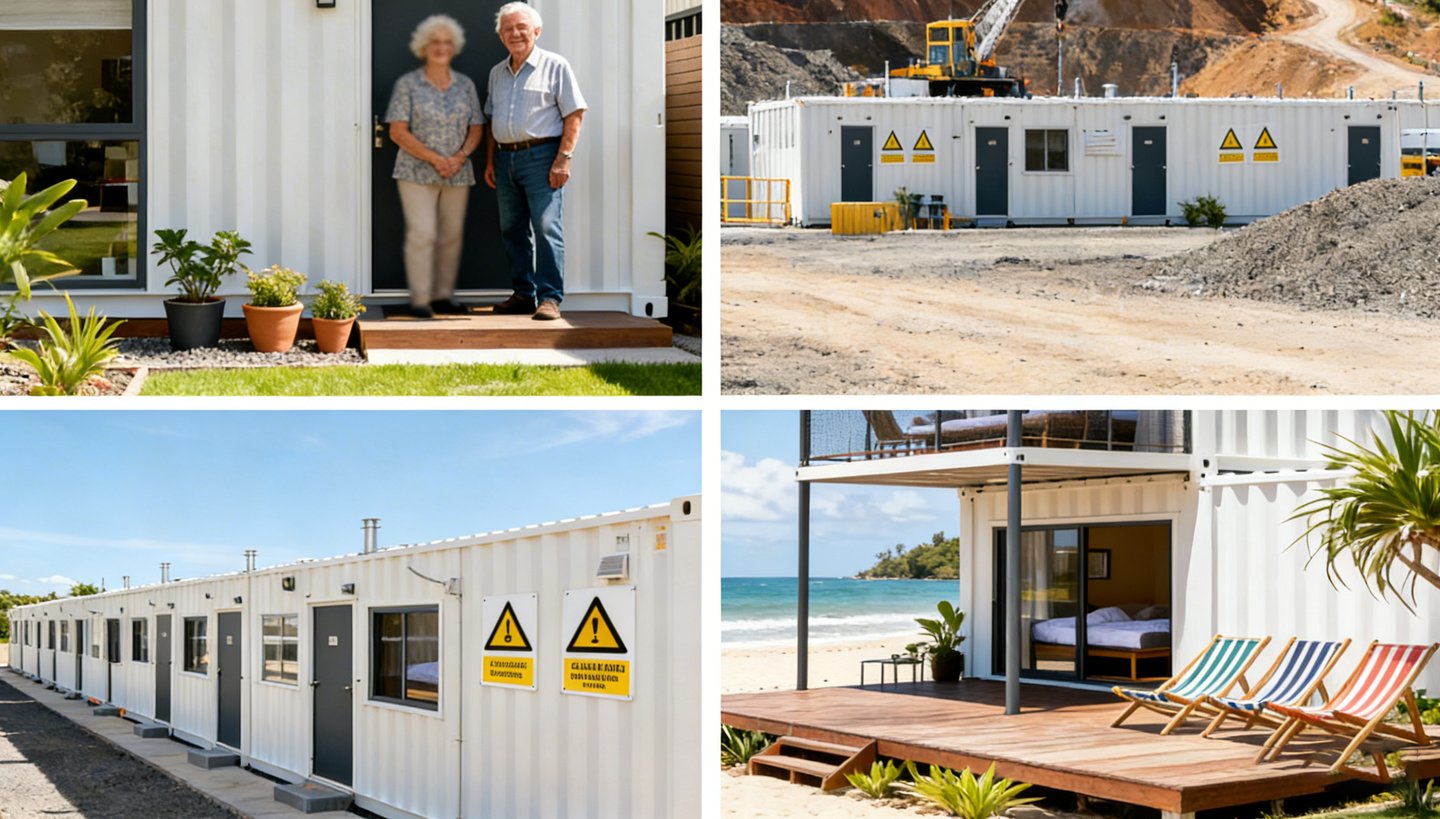
• 🏠 Residential: ADUs, granny flats, off-grid cabins, family homes
• 🏗️ Commercial: Construction site temporary offices/dormitories, mining camps, disaster relief housing
• 🏖️ Hospitality: Resorts, glamping cabins, pop-up shops, coffee shops, exhibition booths
All units can be customized in size, layout, interior decoration, and additional features (solar systems, smart home devices, etc.) to meet local building code requirements.